Everything you need to know before your trip
We have compiled a list of important related topics that need to be known and understood relating to all aspects of what is good for you to be aware of, and to consider and undertake, should you be interested in joining one of the future scheduled trips.
Firstly, here are the climatic, weather and fauna / flora expectations per season in the region to be visited. [Winter in England is Summer in Southern Africa, as they are in opposite hemispheres] So you will be departing the Northern Hemisphere and heading into the directly opposite weather season. Seasons and average climatic conditions in Southern Africa by month of the year:
Weather and Climate:
End May to mid August, dry season, almost no rains, clear blue sky every day throughout winter months. High altitude causes very cold temperatures after sun sets at around 17h30 and sun rises around 07h45 in the mornings, remains very cold until around 09h00 each morning, so winter clothing, thermal underwear and gloves are needed in early mornings, until around 09h30 suddenly warming rapidly to reach the low to mid and even high 20 degrees daily - unless a bitter cold front from the South Lingers, stays in the 20s until the sun sets, then the temperature drops quickly again. - so dry cold weather, which means very little bugs to be found bothering anyone.
2nd half of August to End November- warming fast as sudden start of Summer arrives, heat building as Clouds increase daily as we head towards the rainy season. Temp much warmer in early mornings now, building quickly and can already reach 30 degrees and higher before the rainy season starts in late November to Early December - which brings relief from the heat, cooling the afternoons down, quick harsh storms come and go with violent thunderstorms. Insects like mosquitoes, flies and Beatles start activities and although there is no concern regarding Malaria mosquitoes at any of our destinations, basic mosquitoes can be an irritation, so precautions such as repellents and mosquito nets are mostly available.
December to March- rainy season - Early sunrise, around 05h00 warm evenings and hot days, brief thunder showers in the afternoons and then sunny again. Hot days in the 30s, very comfortable as due to altitude heat is dry with no humidity. Shorts, sandles ,T-shirts, caps and sunglasses, suntan lotion and insect sprays are the order of the day.
April-May late summer, still very pleasant warm weather slowly cooling into May, less insects, still shorts and T -shirts but with a jacket nearby.
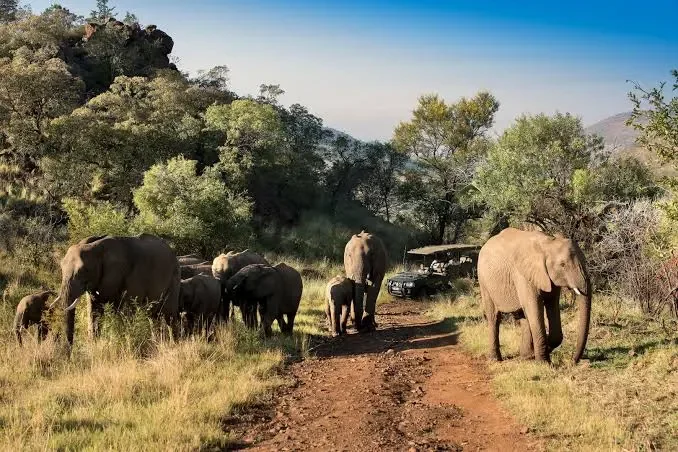
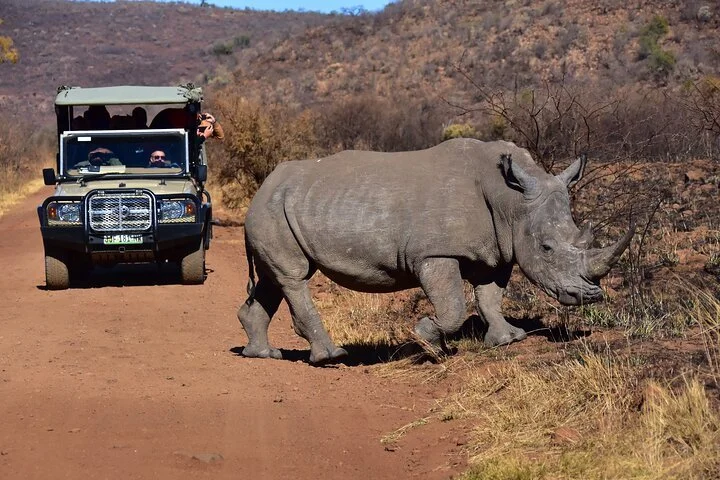
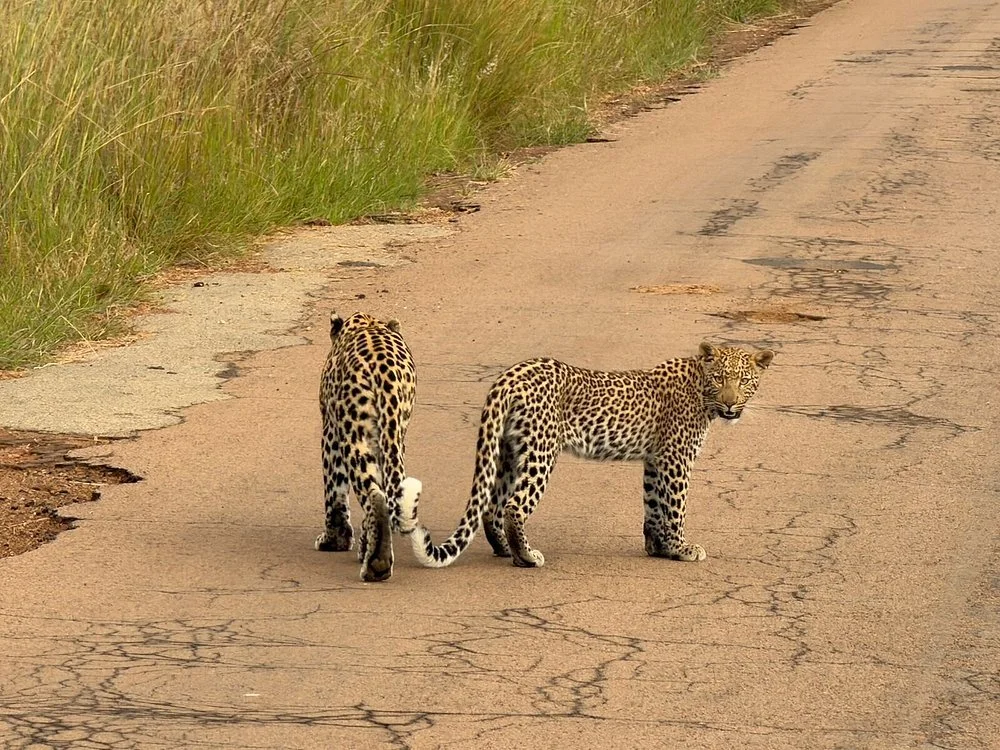
Animal Sightings and activity: In the Hotter months you will find the best game viewing to be mornings and late afternoons, during the heat of the day, most game to be found under shade,or by the waterholes, whereas during the cooler months, game is widespread and roaming everywhere.
Medicare, and safety:
Firstly it is important to ensure you bring enough of your prescription medication to last until you arrive back home. Then it is advisable to bring a small basic medical kit with you, including some antiseptic cream, plasters and such as well as a small tube of vaciline for lips and fingers in the cold dry months. You will also need to ensure that you take out travel insurance to cover yourself in case of any mishaps, In this regard you will need to sign our indemnity form and you will need to adhere to rules at all destinations concerning interaction with the wild, obey the regulations at all places to ensure your safety, and never wonder off into the bush on your own away from the safety of the camp, not even for a short distance.
Travel Insurance:
All participating members going on safari will be required to take out your own travel insurance, to cover you in the event of a mishap along the route.
Indemnity form:
All participants going on safari with us will be required to sign our indemnity form, and strictly adhere to the rules and regulations regarding safety precautions at all destinations.
Immigration regulations:
Your U.K. Passport or E.U. passport must have at least 6 months remaining before expiry.
Banking and cash withdrawals:
Please inform your bank of your intended trip to Southern Africa, to ensure they allow cash withdrawals, along your route, as you may wish to withdraw cash in local currency at the hundreds of ATM machines along the route, all MasterCard and Visa cards are accepted just as they are here in England. The current exchange rate has been stable around 23 S.A Rand to one British Pound Sterling.
Meals and tap water:
All meals are consumed at properly regulated restaurants, with very high health regulation standards, so we do not expect any food contamination or gut health issues anywhere along the route. regarding tap water, although it is accepted that the water quality in South African tap water is on par with the U.K. quality - the same can not be said for locations in central Botswana, and thus at locations in the bush in Botswana it is advisable to consume bottled water which we will supply, not only for drinking, but also for brushing your teeth.
Camera Equipment and storage:
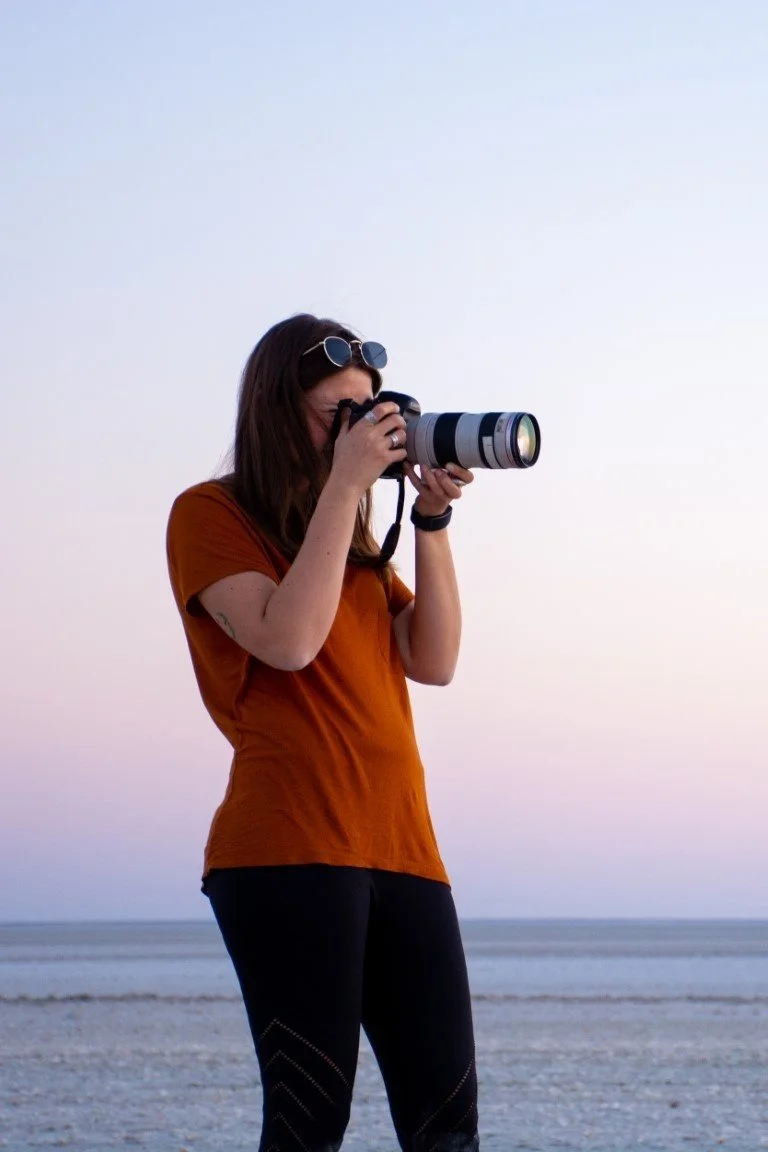
You need to bring along enough extra batteries and SD card storage for you to be able to capture enough photos or video along the entire route, it will be a very unhappy day if you have run out of storage or battery life at a time that you suddenly need it most. Regarding Camera equipment and lenses - a good quality SLC digital camera is essential, with various lenses, from 50mm to 400mm or higher will be needed, a 400mm lense will be used often. A 50MP (megapixel) camera produces highly detailed images with a resolution of roughly \(8192 \times 6144\) pixels. This resolution allows for massive, gallery-quality prints (like \(20 \times 30\) inches) without losing sharpness, and provides enormous flexibility to heavily crop into an image post-shot without sacrificing clarity. [1, 2, 3, 4]
We are going to add a photo Gallery page to this website - so you will be able to add your name and contact details as well as your best photos. This is with the aim of attracting publishing companies to be able to contact you directly if they wish to purchase your photos for publishing, giving you the ability to sell your photography.
Also of importance, the electric wall sockets in South Africa and Botswana are not the same as in the UK , where as the UK has 3 prong square plug to fit wall socket, the wall sockets in South Africa are rounded, please ensure you purchase the correct wall plug to ensure charging of your phones via usb plugs and also to charge your camera equiptment- theese can be purchased prior to departure, or can be purchased in Johannesburg at the airport, and at the Shopping centers near the Resort.
So double check passport expiry date, you MUST have 6 months validity till expiry.
Ensure you have e nough of your meds.
Dental issues have been resolved before you depart.
Inform your bank you are travelling and you may want to draw cash in ZAR rands or Botswana Pula from ATM machines along the route.